Unlocking Success in Business: A Deep Dive into Department Stores, Shopping, and Fashion Industry Trends
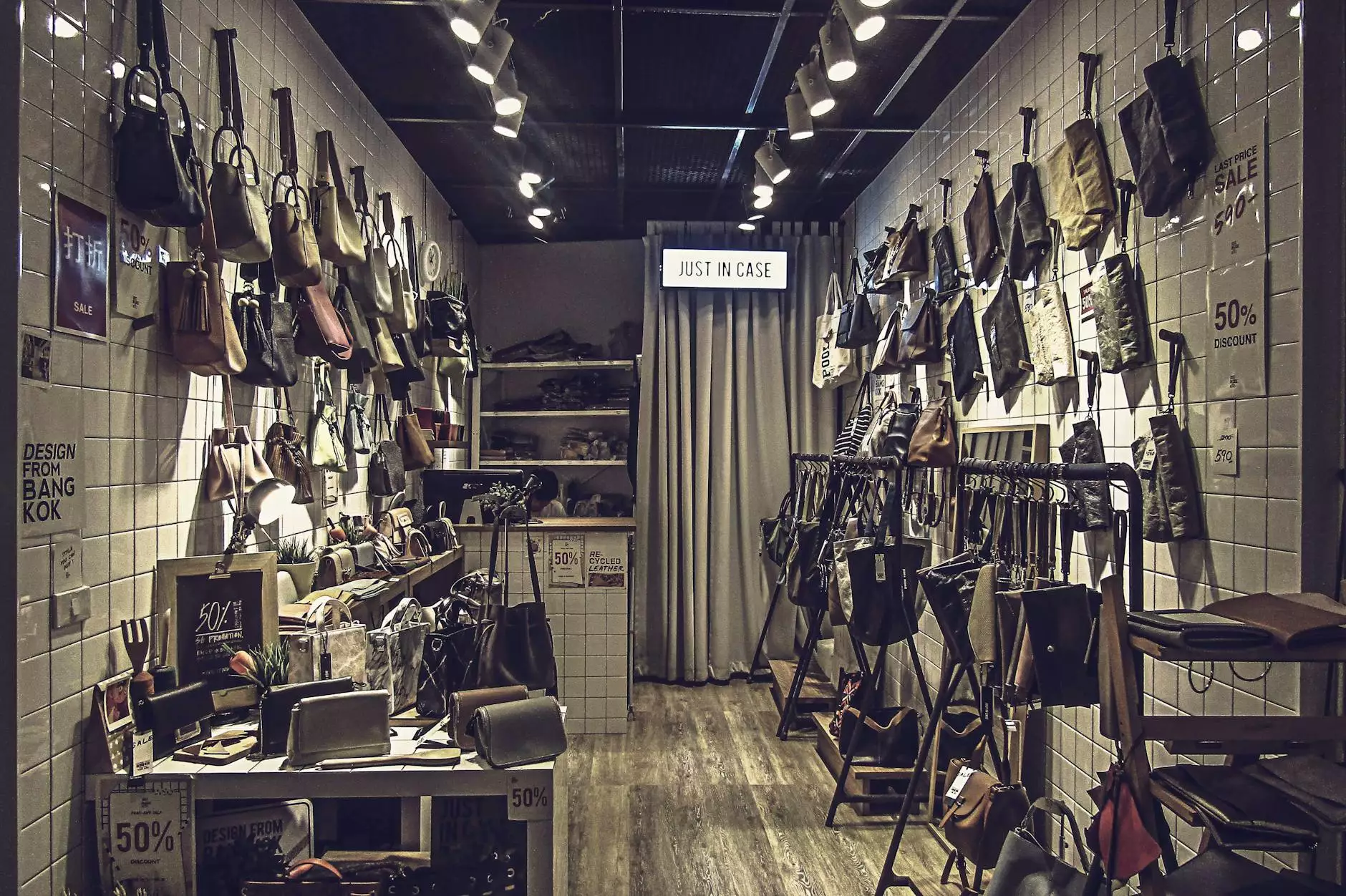
In today's rapidly evolving commercial landscape, establishing and maintaining a thriving business requires a nuanced understanding of various industry sectors, including department stores, shopping, and fashion. These interconnected markets present unique opportunities for entrepreneurs and established brands alike, driven by consumer behavior shifts, technological advancements, and global trends. This comprehensive guide explores the multifaceted strategies necessary to excel within these dynamic sectors, ensuring sustainable growth and competitive advantage.
Understanding the Modern Business Environment in Department Stores and Fashion Retail
The Evolution of Department Stores in the Digital Age
Historically, department stores served as the epicenter of retail shopping, offering a one-stop shop experience across diverse product categories. Today, they face significant transformation, blending traditional brick-and-mortar retail with digital innovations to meet contemporary consumer expectations. Successful department stores now harness omnichannel retailing, combining physical presence with robust online platforms, personalized marketing, and seamless customer experiences.
The Growth of Shopping Culture in the Digital Era
The landscape of shopping has shifted profoundly, with e-commerce platforms revolutionizing the way consumers discover and purchase products. The rise of online marketplaces, mobile shopping apps, and social commerce has expanded the reach of brands beyond geographical constraints. Business owners focusing on shopping must leverage data analytics to understand customer preferences, enhance user experience, and develop targeted marketing strategies that convert visitors into loyal buyers.
Fashion Industry Trends Shaping Business Opportunities
Fashion remains one of the most vibrant sectors in retail, characterized by rapid innovation and a keen focus on consumer identity and sustainability. The integration of technology, from virtual try-ons to AI-driven personalization, is transforming how consumers engage with brands. Entrepreneurs and retailers who stay ahead of these trends can capitalize on emerging opportunities, especially in eco-friendly fashion, streetwear, luxury, and fast fashion niches.
Key Strategies for Building a Successful Business in These Sectors
Developing a Strong Brand Identity in Department Stores and Fashion
A compelling brand identity is vital for differentiating your business in a crowded market. Consistency in branding, from logo design to messaging tone, builds recognition and trust. In fashion, authenticity and storytelling resonate deeply with consumers, creating emotional connections that foster loyalty and advocacy.
Leveraging Technology and E-commerce Platforms
- Invest in a user-friendly website that offers seamless navigation, high-quality visuals, and secure checkout options.
- Implement artificial intelligence and machine learning to personalize recommendations and enhance customer engagement.
- Utilize data analytics to understand shopping behavior, optimize inventory, and tailor marketing campaigns.
- Integrate social commerce features to facilitate direct purchases through social media platforms.
Enhancing Customer Experience and Loyalty
Exceptional customer service, both online and offline, creates a memorable shopping journey. Strategies include personalized communication, loyalty programs, and exclusive events. Moreover, offering flexible return policies and easy exchanges can significantly boost satisfaction and repeat business.
Adopting Sustainable and Ethical Business Practices
The modern consumer increasingly values brands committed to sustainability and ethical practices. Incorporating eco-friendly materials, transparent supply chains, and social responsibility initiatives enhances brand reputation and attracts conscientious shoppers.
Market Penetration and Expansion Tactics
Identifying Niche Markets and Demographic Segments
Careful segmentation allows businesses to target specific consumer groups with tailored products and marketing messages. For example, focusing on eco-conscious youth fashion or luxury shoppers seeking exclusivity can yield high engagement and profits.
Global Expansion and Localization Strategies
Expanding into international markets requires cultural understanding and adaptation. Localization efforts include translating content, adjusting product assortments, and aligning marketing messages with local customs and preferences.
Forming Strategic Partnerships and Collaborations
Partnering with influencers, designers, or other brands can amplify reach, enhance credibility, and foster innovation. Limited edition collections or co-branded campaigns generate buzz and drive traffic to stores and online channels.
Addressing Challenges in the Business Landscape of Department Stores, Shopping, and Fashion
Combating E-Commerce Competition
Traditional stores must innovate to stay relevant. This involves creating immersive in-store experiences, integrating technology such as AR/VR, and offering exclusive services that online platforms cannot replicate.
Managing Supply Chain and Inventory Risks
Efficient supply chain management minimizes overstocking and stockouts, ensuring product availability aligns with demand. Utilizing predictive analytics and flexible logistics providers enhances responsiveness.
Navigating Regulatory and Ethical Concerns
Staying ahead of regulations related to labor, sustainability, and consumer rights is crucial. Compliance not only avoids legal repercussions but also reinforces brand integrity.
The Role of a Family Dispute Lawyer in Business Succession Planning
Successfully managing business inheritance and succession planning is critical for the continuity of family-owned enterprises. During this process, conflicts may arise among family members, potentially threatening months or years of work. Here, engaging a specialized family dispute lawyer becomes invaluable.
Why You Need a Family Dispute Lawyer in Business Contexts
- Expert Mediation: They facilitate constructive discussions among family members, helping resolve disagreements amicably.
- Legal Advice: They ensure that estate plans, wills, and shareholder agreements are legally sound, minimizing future conflicts.
- Dispute Resolution: In cases of disagreements over business management or ownership, they provide strategic legal interventions.
- Succession Planning: They assist in structuring leadership transfer that respects family dynamics and business needs.
Benefits of Hiring a Family Dispute Lawyer
Engaging a qualified family dispute lawyer aids in proactively addressing disputes before they escalate, safeguarding both the business’s interests and family relationships. Their expertise ensures compliant legal processes, reduces potential financial losses, and fosters a harmonious environment conducive to sustainable business growth.
Conclusion: Building a Resilient and Forward-Thinking Business
In summary, establishing a successful business at the crossroads of department stores, shopping, and fashion requires a combination of innovation, strategic planning, and ethical practices. Staying attuned to market trends, leveraging technology, and maintaining excellent customer relationships are fundamental to long-term prosperity. Simultaneously, addressing internal family dynamics with the support of a family dispute lawyer ensures seamless succession and the preservation of legacy.
Businesses that embrace these principles can navigate challenges confidently, capitalize on emerging opportunities, and forge enduring success in their respective industries.