The Ultimate Guide to Bedford Splints in Dentistry
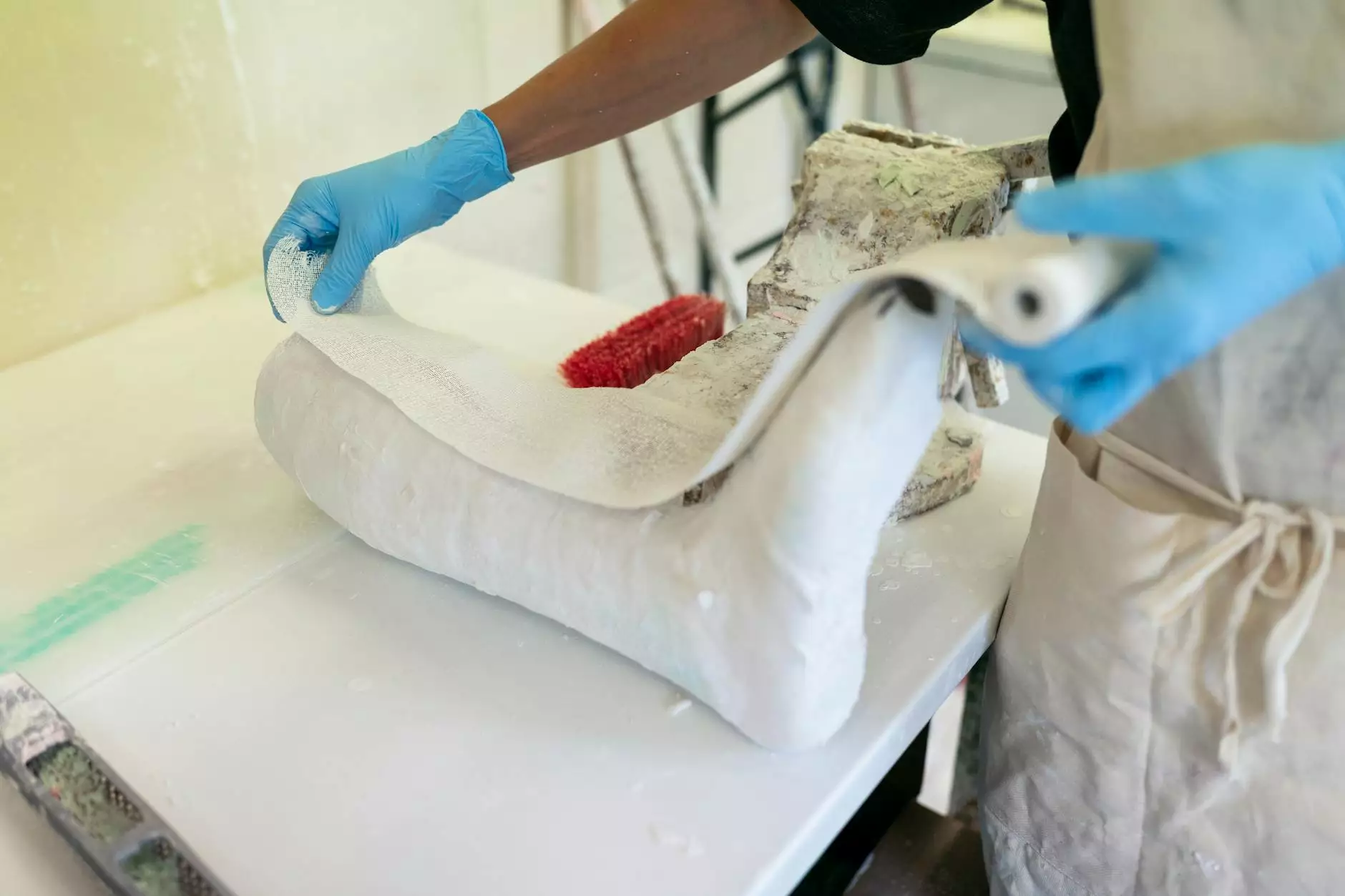
In today's rapidly evolving health and medical landscape, staying informed about the latest innovations is essential for providing exceptional patient care. One such innovation that has garnered attention in the field of dentistry is the Bedford splint. This article explores the significance of this dental tool, its applications, benefits, and how it can enhance dental practices.
Understanding the Bedford Splint
The Bedford splint is a specialized dental appliance designed to stabilize the jaw and alleviate discomfort associated with temporomandibular joint disorders (TMJ) and other dental issues. It offers a unique combination of comfort and functionality that makes it a valuable asset in contemporary dentistry.
What is the Purpose of a Bedford Splint?
The main purpose of the Bedford splint is to provide dental stability and support. Here are some key functions:
- Reduce jaw clenching and teeth grinding: Many patients suffer from bruxism, leading to wear and tear on their teeth. The Bedford splint effectively cushions the impact and minimizes damage.
- Align the jaw: Proper alignment is essential for comfort and function. The splint ensures that the dental occlusion is optimized.
- Alleviate TMJ pain: For patients experiencing discomfort in the jaw, the Bedford splint can provide significant relief by relieving pressure on the temporomandibular joint.
- Prevent muscle fatigue: By optimizing jaw alignment, the Bedford splint helps reduce the strain on the muscles surrounding the jaw.
Benefits of Using the Bedford Splint
Dental professionals and patients alike can experience numerous advantages from utilizing the Bedford splint. Here are some of the primary benefits:
1. Enhanced Patient Comfort
The design of the Bedford splint focuses on patient comfort. Crafted from high-quality materials, it fits comfortably in the mouth, allowing for extended wear without causing irritation. This is particularly beneficial for patients who need to wear the splint overnight.
2. Improved Treatment Outcomes
Integrating the Bedford splint into treatment plans contributes to better clinical outcomes. Patients report less pain and discomfort, which can lead to higher patient satisfaction and adherence to treatment regimens.
3. Streamlined Dental Procedures
The use of this innovative splint can speed up the process of dental procedures. With improved jaw alignment and stability, the dentist can work more efficiently, reducing the time required for treatments.
Applications of Bedford Splints in Dentistry
The Bedford splint serves various roles within dental practice. Its versatility makes it suitable for a broad range of applications, including:
ApplicationDescriptionBruxism TreatmentThe splint acts as a barrier between the upper and lower teeth, preventing wear and tear due to grinding.TMJ Disorder ManagementReduces pressure on the joint, alleviating pain and discomfort for patients suffering from TMJ disorders.Post-Surgical SupportAfter certain dental surgeries, the splint helps stabilize the jaw as it heals, ensuring optimal recovery.Orthodontic TreatmentUsed alongside orthodontic devices to maintain proper jaw alignment during treatment.Case Studies: Success Stories with Bedford Splints
Numerous dentists have reported positive outcomes when incorporating the Bedford splint into their patient care regimen. Here are two notable case studies:
Case Study 1: A Patient with Severe Bruxism
A 34-year-old female patient visited a dental clinic complaining of chronic headaches and tooth sensitivity. Upon examination, she displayed signs of severe bruxism. Her dentist recommended a Bedford splint. After consistent nightly use, her symptoms significantly decreased within three months, and follow-up treatments revealed reduced wear on her teeth.
Case Study 2: TMJ Disorder Patient
A 45-year-old male was referred for dental treatment due to moderate TMJ pain making it difficult for him to chew. After assessing his jaw movement, the dentist fitted him with a Bedford splint. Over six weeks, the patient reported substantial pain relief and improved jaw mobility, allowing him to enjoy a wider variety of foods.
How to Fit a Bedford Splint
Proper fitting of the Bedford splint is crucial for maximizing its benefits. Here are the general steps involved in the fitting process:
- Initial Consultation: The dentist assesses the patient’s dental status, including jaw alignment and occlusion.
- Impressions: Accurate impressions of the patient’s teeth are taken to create a custom-fitted splint.
- Fabrication: The splint is manufactured based on the impressions and tailored to the unique contours of the patient's dental anatomy.
- Fitting Appointment: The dentist ensures that the splint fits comfortably, making any necessary adjustments for optimal fit and function.
- Follow-Up: Regular follow-ups are scheduled to monitor the patient’s progress and make additional adjustments if needed.
Maintaining Your Bedford Splint
For effective use and longevity of the bedford splint, proper maintenance is essential. Here are some tips to ensure its durability:
- Clean Regularly: Rinse the splint after each use and clean it with a toothbrush and mild soap. Avoid harsh chemicals that could damage it.
- Store Properly: Keep the splint in a protective case when not in use to prevent damage or contamination.
- Avoid Heat Exposure: Do not expose the splint to high temperatures, as this can distort its shape.
- Periodic Check-Ups: Regular dental visits will help identify any wear and tear or discomfort, ensuring timely replacements or adjustments.
The Future of Bedford Splints in Dentistry
The realm of dentistry is continuously evolving, and the future of dental appliances such as the Bedford splint looks promising. With advancements in materials and technology, we expect to see improvements in comfort, effectiveness, and patient compliance.
Innovative Materials
Recent developments in dental materials have led to the creation of splints that are stronger yet thinner, enhancing patient comfort while still providing effective jaw stabilization.
Digital Dentistry Integration
The integration of digital dentistry may revolutionize the way splints are designed and fit. CAD/CAM technology allows for even more precise impressions and tailored solutions, ensuring that each Bedford splint is uniquely designed for optimal patient outcomes.
Conclusion
In conclusion, the Bedford splint stands out as an invaluable tool in the field of dentistry. Its ability to alleviate symptoms associated with TMJ disorders, bruxism, and other dental issues makes it a preferred choice among dental professionals. By offering enhanced comfort, effective treatment outcomes, and easy maintenance, the Bedford splint is well-positioned to play a significant role in modern dental practices.
As patient care continues to evolve and improve, integrating innovative solutions like the Bedford splint will undoubtedly lead to more effective treatment plans and happier patients. For those interested in further exploring this effective dental appliance, be sure to consult with your local dental professional at Edward Byrne’s clinic.