The Rise of Fake 50 Euro Bills: Understanding the Market Dynamics
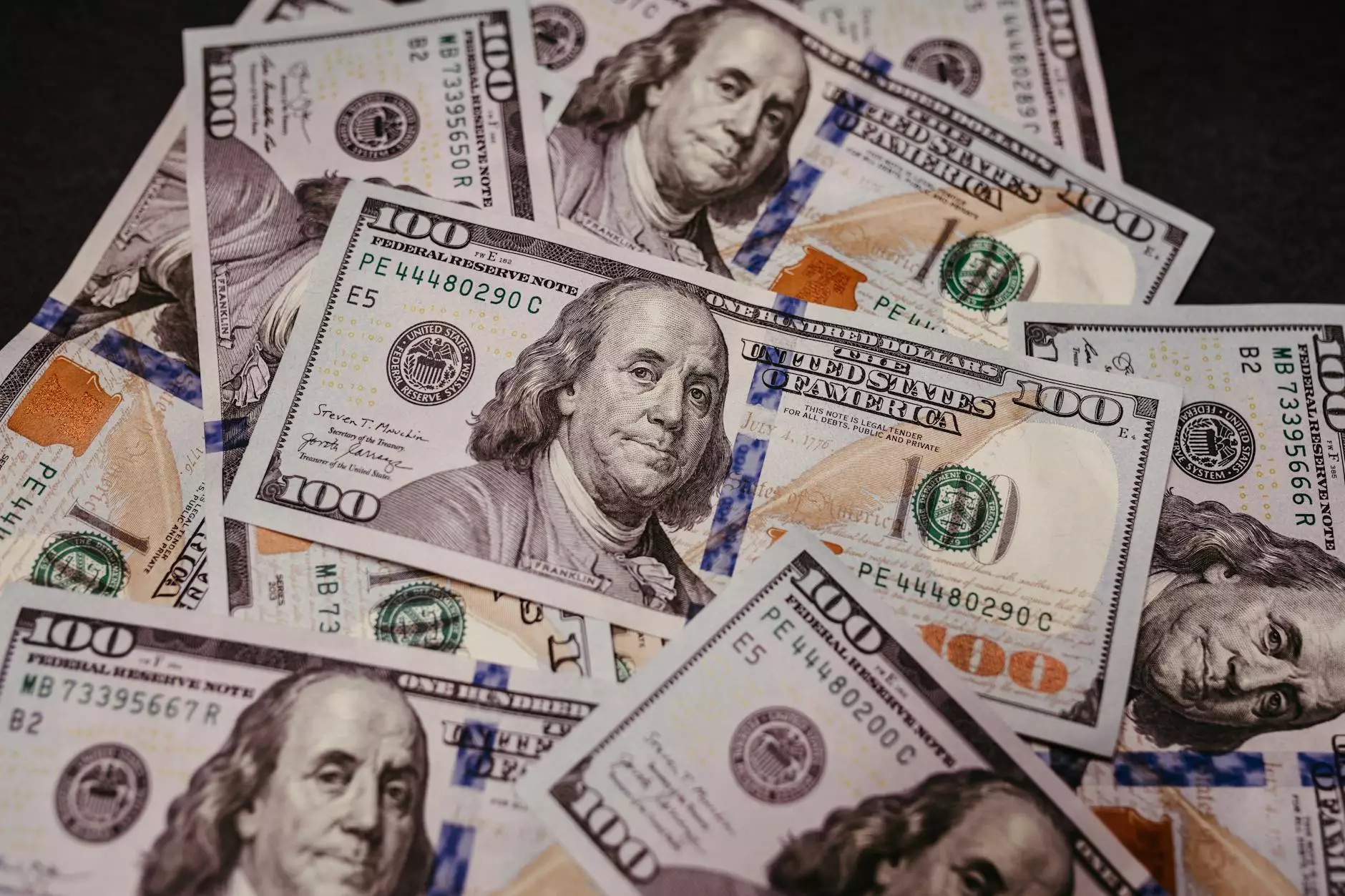
In today's increasingly globalized economy, the phenomenon of fake 50 euro bills has emerged as a notable concern for businesses and consumers alike. As the euro remains one of the most widely used currencies across Europe, the production and circulation of counterfeit euros, particularly the 50 euro denomination, have implications that extend beyond simple fraud.
Understanding Fake Currency and Its Impact
Counterfeit currency, including the fake 50 euro, has long plagued financial systems worldwide. Counterfeiters use advanced technology to produce convincing fake bills that can easily circulate in the market, causing significant impacts on economic stability. The emergence of sophisticated printing techniques and materials used by counterfeiters challenges both consumers and businesses to detect genuine from fake currency.
The Evolution of Counterfeit 50 Euro Bills
The Historical Background
The 50 euro note was initially introduced in 2002 as part of the Euro banknotes series, which has undergone many modifications to improve security features. Over the years, counterfeiters have adapted to these changes, learning to replicate the various security measures embedded into the notes. The fake 50 euro we see today is a product of this ongoing battle between money producers and counterfeiters.
Identifying Fake 50 Euro Bills: Key Features to Look For
1. Security Features
Understanding genuine currency is critical for both businesses and consumers. Here are several features that can help identify a fake 50 euro note:
- Watermark: Genuine euro notes feature a watermark of the architectural motif, which becomes visible when held against the light.
- Security Thread: Embedded within the note, this thread appears as a continuous line when the note is tilted.
- Color-Shifting Ink: The value numeral in the bottom right corner changes color when tilted.
- Microprinting: Tiny text that is clear to the naked eye when viewed under magnification.
2. Feel and Texture
Genuine euro notes have a unique feel because they are printed on a specific type of polymer. The texture is smooth yet slightly rough due to the intricate printing process. Fake 50 euro bills often lack this authentic feel, making them easier to distinguish.
The Legal Implications of Purchasing Fake Money
It's essential to understand that the purchase and use of counterfeit currency violate laws in most countries. Engaging in any activity involving fake 50 euro bills can lead to severe penalties, including fines and imprisonment. Governments and financial institutions strictly regulate currency transactions to preserve economic integrity.
Challenges Faced by Businesses
Fraudulent Transactions
For businesses, accepting counterfeit money can lead to significant financial losses. A fake 50 euro note might pass through multiple transactions before being discovered, leading to a cumulation of losses that can be devastating for small and medium-sized enterprises.
Impact on Customer Trust
Moreover, if a business is known for accepting counterfeit currency, it can tarnish its reputation and diminish customer trust. Consumers generally prefer to conduct transactions in establishments that demonstrate vigilance in recognizing and rejecting fake currencies.
The Consumer Perspective: Protecting Yourself Against Counterfeit Currency
As a consumer, it is your responsibility to protect yourself against fake money. Here are some practical steps to help you avoid accepting counterfeit 50 euro bills:
- Familiarize yourself with genuine euro notes and their security features. Knowledge is power.
- Use bank services for cash withdrawals to ensure the authenticity of the notes received.
- When shopping, utilize payment methods that do not involve cash to avoid potentially fake notes.
The Online Market for Fake Money
In recent years, the Internet has made it easier for counterfeiters to distribute fake bills. Websites offering fake 50 euro notes might promote their goods as novelty items or for film production purposes; however, purchasing these fake currencies can still have serious legal consequences.
Ethics and Morality
It is also worth pondering the ethical implications of purchasing such counterfeit notes. While some may view them as harmless, the reality is that the existence of fake currency in circulation harms economic systems and affects the livelihoods of many innocent businesses and individuals.
Preventing the Spread of Counterfeit 50 Euro Bills
Government and Financial Institutions’ Role
Governments and financial institutions are continually working to curb the spread of counterfeit money. Advanced security features are regularly being implemented in new currency designs to combat counterfeiting effectively. Increasing public awareness regarding counterfeit detection methods and legal penalties remains vital.
Simplifying Detection for Retailers
Retailers can employ simple yet effective practices to detect counterfeit bills:
- Invest in counterfeit detection equipment, such as UV lights and magnifying scopes.
- Train employees on how to recognize the signs of counterfeit currency.
- Establish clear policies for handling suspected counterfeit notes.
Conclusion: Embracing the Challenges of Fake Currency
The fake 50 euro phenomenon represents a significant challenge for consumers and businesses within Europe and around the world. Understanding how to identify counterfeit currency, recognizing the legal implications, and implementing proper preventive measures are crucial steps in combating this pervasive issue.
As we advance into an increasingly digital economy, the importance of adhering to secure and trusted financial transactions cannot be overstated. Awareness, education, and caution are paramount to protecting oneself and contributing to a stable economic environment. Ultimately, combating counterfeiting requires joint efforts from governments, businesses, and consumers alike to foster a safer economic landscape.
For further inquiries about counterfeit bills and prevention measures, visit us at buycounterfeitmoneys.com.