The Ultimate Guide to Pumpkin Sizes
When it comes to gardening and particularly the cultivation of pumpkins, understanding the concept of pumpkin sizes is crucial. Pumpkin sizes not only relate to the varieties of pumpkins available but also influence their usage, cultivation techniques, and market value. In this extensive guide, we will delve into the different pumpkin sizes, their characteristics, and how to grow the perfect pumpkin in your garden.
What are Pumpkin Sizes?
Pumpkin sizes refer to the different dimensions and weights of pumpkins that can be cultivated. They typically range from small ornamental pumpkins to massive giants, and each size serves different purposes. Let’s categorize pumpkin sizes for a better understanding:
1. Mini Pumpkins
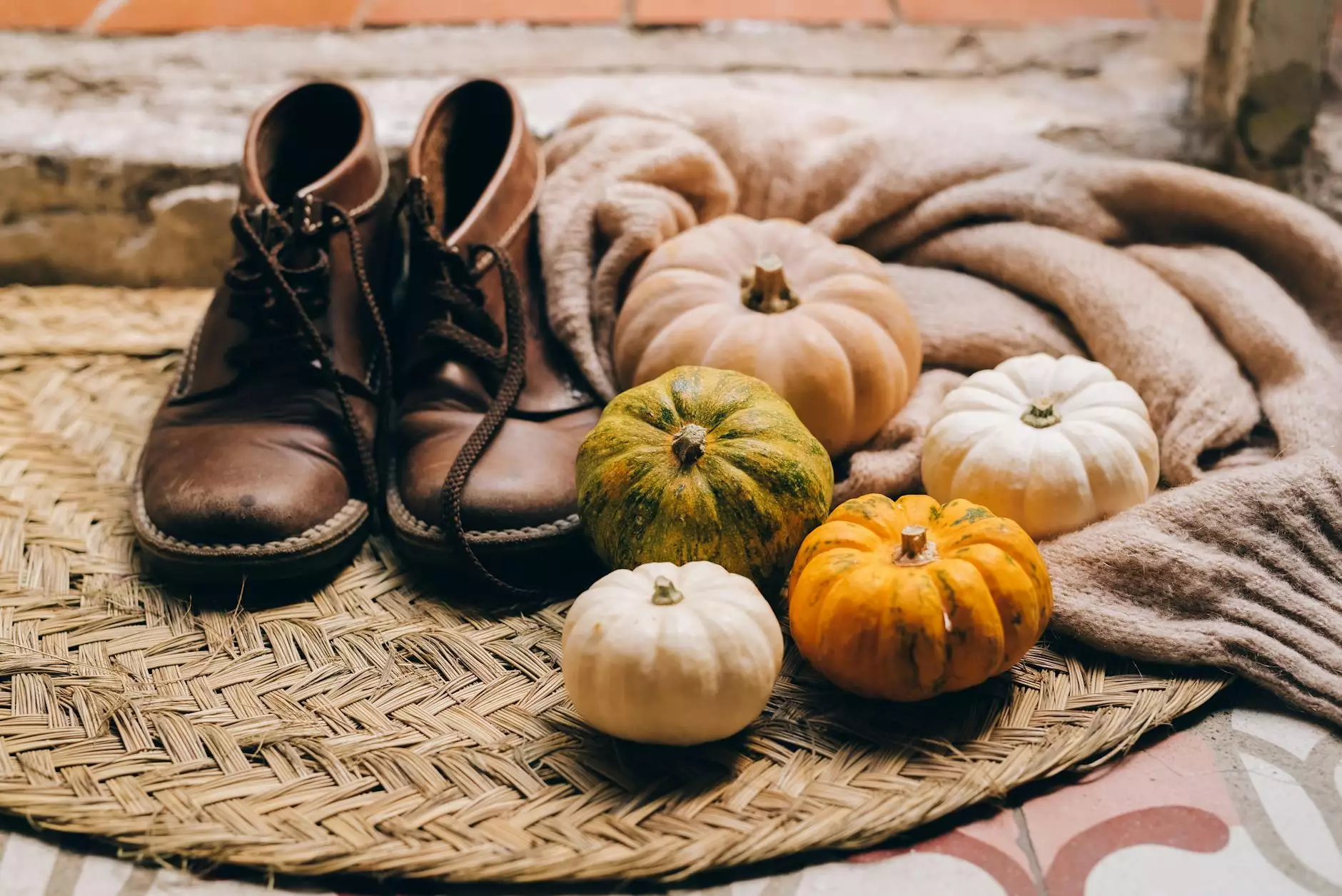
Mini pumpkins, often weighing less than 2 pounds, are usually about 4 to 6 inches in diameter. They are perfect for decorations, especially during the Halloween and Thanksgiving season. Their small size makes them ideal for indoor displays or crafting projects.
2. Small Pumpkins
Small pumpkins typically weigh between 2 to 5 pounds and measure around 6 to 8 inches in diameter. They are commonly used for cooking as well as decorative purposes. Culinary enthusiasts often prefer small pumpkins for making pies and other dishes due to their rich flavor.
3. Medium Pumpkins
Medium-sized pumpkins fall within the 5 to 15-pound range and can measure from 8 to 14 inches in diameter. These are often used for Halloween carving, as they are large enough to carve intricate designs while still being manageable for children and adults alike.
4. Large Pumpkins
Large pumpkins range from 15 to 40 pounds and typically measure 14 to 24 inches in diameter. These pumpkins are often sought after for competitions, as their impressive size attracts attention. They can also be used for decorative purposes during the fall season.
5. Giant Pumpkins
Giant pumpkins are a specialty in the pumpkin-growing community, weighing over 40 pounds and sometimes reaching up to 2,000 pounds! Growing these massive pumpkins requires specific techniques, a good amount of space, and dedication. They are often the centerpiece of pumpkin festivals and competitions around the world.
How Pumpkin Sizes Affect Usage?
Understanding pumpkin sizes can significantly affect their utilization. Different sizes serve different purposes in various aspects:
- Decorative Uses: Smaller pumpkins are ideal for home decor, while medium to large ones are often used for outdoor displays.
- Culinary Uses: Different recipes require specific pumpkin sizes. For example, smaller pumpkins are often used for pies, while larger varieties might be made into soups.
- Competitive Growing: In the world of competitive pumpkin growing, giant pumpkins are the highlight, with growers striving to produce the heaviest examples.
- Feed for Livestock: Larger, less aesthetically pleasing pumpkins can be used as feed for animals, offering nutritional benefits.
Choosing the Right Pumpkin Size for Your Garden
Choosing the right pumpkin size for your garden depends on several factors:
1. Purpose
Identify why you want to grow pumpkins—whether for cooking, decoration, or competition. This will help determine the suitable size for you.
2. Garden Space
Large pumpkins require a significant amount of space for both growing and sprawling vines. Ensure you have adequate garden space if you plan to cultivate giant pumpkins.
3. Climate and Region
Your region’s climate plays a vital role in the growth of pumpkin sizes. Certain varieties thrive in specific conditions, so research your local climate and choose accordingly.
Tips for Growing Different Pumpkin Sizes
Each pumpkin size has its own growing requirements. Here's a brief guide to help you cultivate your pumpkins effectively:
1. Soil Preparation
All pumpkin varieties prefer well-drained soils rich in organic matter. Test your soil and, if necessary, amend it with compost or well-rotted manure to boost fertility.
2. Watering
Consistent watering is essential, especially for larger pumpkins. They require regular watering to ensure they have enough hydration during their growth phase. Aim to provide at least 1 inch of water per week.
3. Fertilization
Use a balanced fertilizer to encourage healthy growth. It's crucial to ensure your pumpkins receive adequate nitrogen for foliage growth early on, and higher phosphorus and potassium levels to promote fruit development.
4. Pest Control
Watch for common pests like aphids, squash bugs, and cucumber beetles. Use organic pesticide or companion planting strategies to keep pests at bay.
Conclusion
Understanding pumpkin sizes and how they affect cultivation and uses is vital for any gardener or enthusiast. Whether you aim to grow small, decorative pumpkins or giant, competition-worthy varieties, knowing the nuances of each size will enhance your gardening success. At Pumpkins.co.uk, we provide a wealth of resources and products to help gardeners of all levels create their perfect pumpkin patch. Dive into the fascinating world of pumpkins today!
To learn more about specific seed varieties, growing techniques, and pumpkin fun facts, check out our other articles and resources on Pumpkins.co.uk.