Exploring the Future of Security: Access Control for Sale
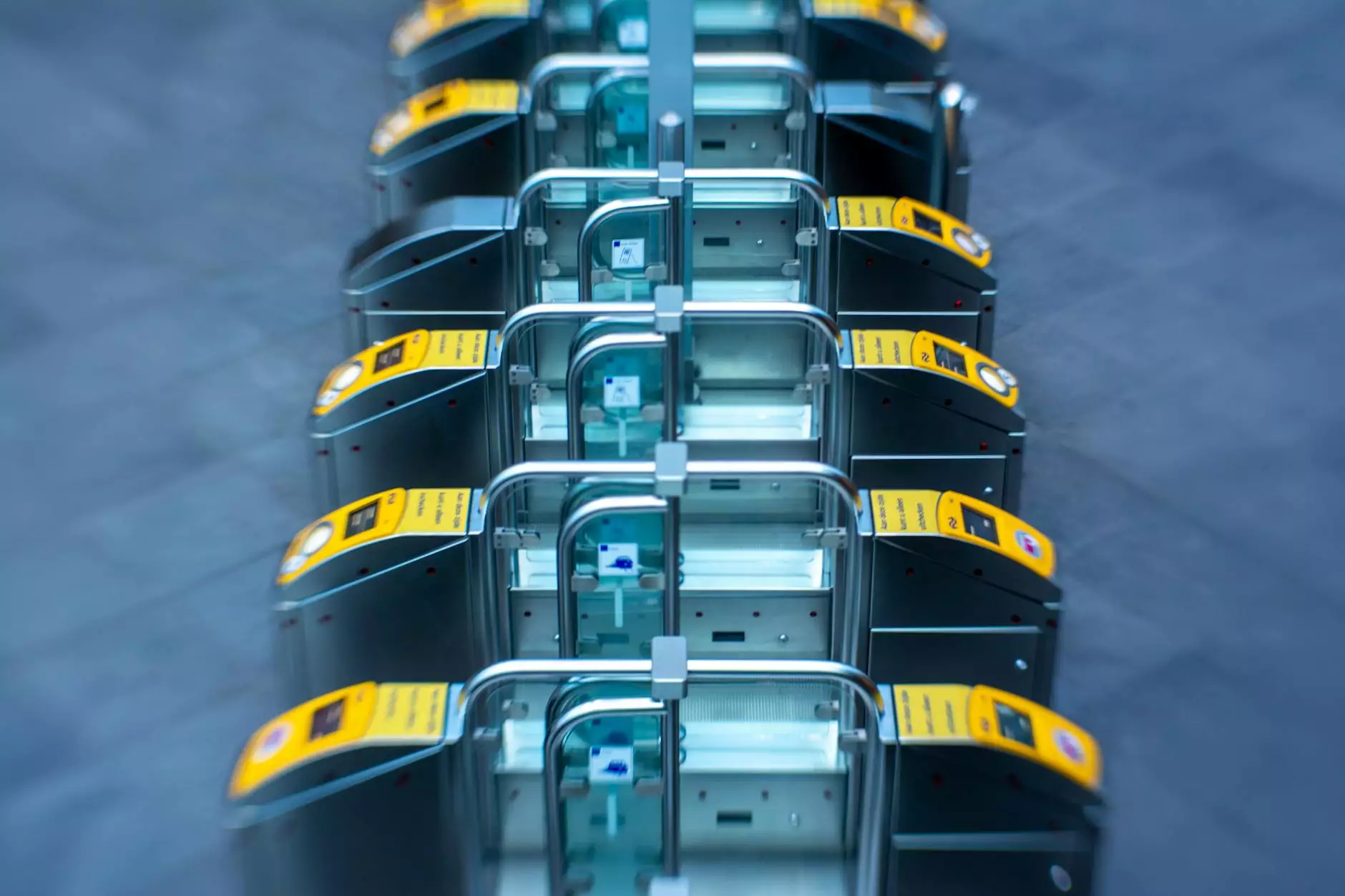
In today’s fast-paced world, the need for effective security solutions is paramount. As businesses evolve and expand, so does the demand for advanced security measures to protect sensitive information and ensure safety within physical spaces. This is where access control systems come into play. With a diverse range of options now available, it is essential to understand the various access control solutions for sale and how they can significantly enhance security protocols for your business.
Understanding Access Control Systems
Access control systems serve as a barrier between unauthorized individuals and secure areas. They regulate who can enter or exit a physical space, providing a layer of security that is essential for any organization. By implementing robust access control measures, companies not only enhance their operational security but also comply with regulatory standards and protect their valuable assets.
How Do Access Control Systems Work?
At the core of an access control system are three primary components:
- Identification: The system determines whether an individual is authorized to gain access using various methods such as key cards, biometric scans, or PINs.
- Authentication: This process verifies the individual's identity, ensuring that only those on the authorized list can enter.
- Access Decision: Once authenticated, the system makes a decision based on predefined permissions regarding who can enter specific areas.
These components work seamlessly to create an efficient and secure environment for businesses of all sizes.
The Types of Access Control Systems Available for Sale
When searching for access control for sale, it's important to understand the different types of systems available. Each type serves unique purposes and comes with its benefits. Here are some of the most common options:
1. Standalone Access Control Systems
Standalone systems are self-contained and are ideal for small businesses or single-entry locations. They typically consist of a single lock controlled by a keypad or card reader, making them easy to install and manage.
2. Networked Access Control Systems
A networked system connects multiple points of entry to a central database, allowing for centralized management. This is perfect for larger organizations that require extensive security across multiple locations.
3. Cloud-Based Access Control Systems
With the advent of cloud technology, more businesses are opting for cloud-based systems. These systems allow remote access and management of security protocols, significantly reducing the need for on-site hardware.
4. Biometric Access Control Systems
Biometric systems use unique physical characteristics, such as fingerprints or facial recognition, to grant access. This offers an enhanced level of security, ensuring that only authorized personnel can enter specific areas.
The Benefits of Implementing Access Control
Choosing the right access control system for sale can bring numerous benefits to your organization, including:
- Enhanced Security: It significantly reduces the risk of unauthorized access to restricted areas.
- Audit Trails: Most advanced systems provide logs that help in monitoring who accessed which area and when, aiding investigations if security breaches occur.
- Integration: Modern access control systems can be integrated with other security measures, such as surveillance cameras, to create a comprehensive security network.
- Convenience: Electronic systems simplify the process of managing access, allowing for easy addition or removal of users as necessary.
Choosing the Right Access Control System
When considering access control for sale, it is essential to evaluate your organization's specific needs. Here are some factors to consider:
1. Size of the Organization
The larger the organization, the more complex the access control needs will be. Advanced systems may be necessary for those with multiple entrances or locations.
2. Type of Facility
Consider whether your facility requires specialized security measures. For instance, a data center may need stricter controls than an office environment.
3. Budget
Access control systems' costs can vary widely. It’s important to balance your security needs with your budget, ensuring you do not compromise on critical features.
4. Future Scalability
Your chosen system should be scalable; as your business grows, your access control measures should be able to evolve without the need for a complete overhaul.
Implementing Access Control Solutions
Implementing an access control solution involves several steps:
1. Assessment
Conduct a thorough assessment of your security needs. Identify potential vulnerabilities and the areas that require strict access controls.
2. Choosing the Right System
Based on your assessment, choose a system that aligns with your requirements, budget, and scalability plans.
3. Installation and Configuration
Work with a certified provider to ensure proper installation and configuration of the system. This step is crucial for ensuring functionality and security.
4. Training
Provide adequate training to your staff on how to use the new access control system effectively. This will enhance compliance and optimize the system's utility.
Maintenance and Upgrades
Regular maintenance is essential to keep your access control system functioning optimally. Schedule periodic reviews and updates to your system to address potential vulnerabilities and incorporate new technologies.
Conclusion
In conclusion, investing in access control for sale is not just about enhancing security; it’s about fostering a safe and secure working environment that facilitates growth and innovation. By understanding the various types of access control systems, their benefits, and how to implement them effectively, you can ensure that your organization is well protected against unauthorized access. Explore the options available at teleco.com and take the first step towards a safer future.