Understanding the Importance of Machu Picchu and Its Closures
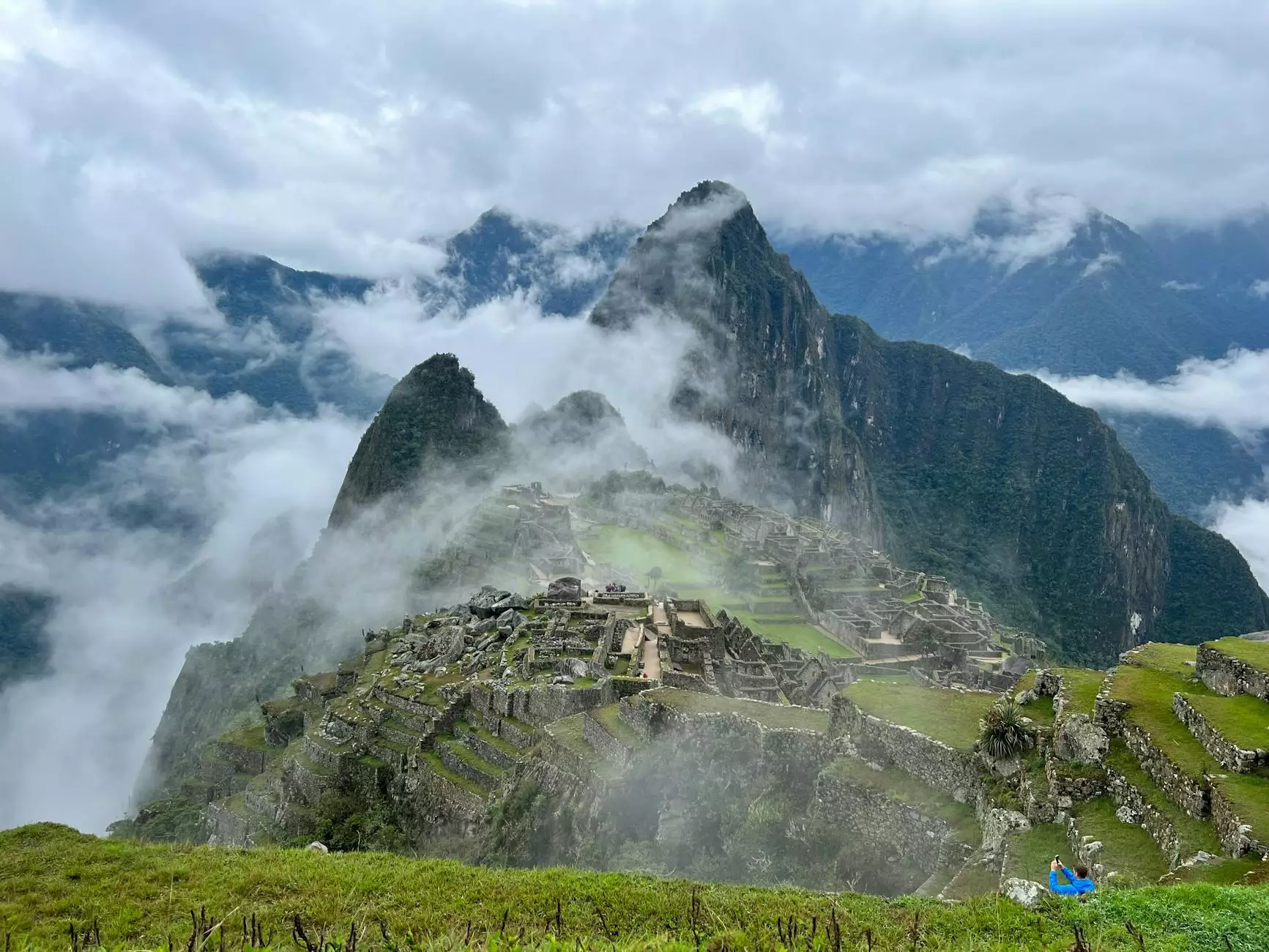
Machu Picchu, often referred to as the Lost City of the Incas, is not just a UNESCO World Heritage Site, but a symbol of Peruvian heritage and a pinnacle of historical significance. As visitors flock to this ancient wonder, it becomes essential to understand why there are closures and the implications these have on both tourism and preservation. In this article, we will delve into the reasons behind the closures of Machu Picchu, the impact on tourism, and how Inca Trail Classic can help travelers navigate these challenges while preserving the site's integrity.
The Importance of Machu Picchu
Machu Picchu is much more than just a tourist destination. This magnificent citadel is a stunning showcase of Incan architecture and is a testament to the ingenuity of the Inca civilization. It is nestled high in the Andes mountains at an altitude of over 2,430 meters (7,970 feet), offering breathtaking views and rich cultural experiences.
Historical Significance
Constructed in the 15th century under the reign of the Inca emperor Pachacuti, Machu Picchu served as a royal estate and a religious site. Its intricate stonework, sophisticated agricultural terraces, and advanced water management systems exemplify Incan innovation. This site has become a focal point for understanding Inca civilization and its way of life.
Cultural Heritage
- UNESCO World Heritage Status: In 1983, Machu Picchu was declared a UNESCO World Heritage Site, recognizing its cultural and environmental significance.
- Inca Trails: The Inca Trail, leading to Machu Picchu, is famous not only for its stunning scenery but also for its representation of Inca paths connecting various citadels.
- Connection to the Local Communities: The site provides a livelihood for numerous local families, and tours help support sustainable economic practices.
Reasons Behind Machu Picchu Closures
The closure of Machu Picchu, whether temporary or for maintenance, is often met with disappointment from travelers. However, these closures serve significant purposes:
1. Preservation of Historical Integrity
Machu Picchu undergoes regular maintenance to ensure its structural integrity. This includes:
- Repairing weathered stones and structures
- Monitoring and managing erosion on hiking trails
- Implementing conservation practices to preserve the site for future generations
Closures allow for essential repairs to be conducted, which protects both the site and its visitors.
2. Environmental Protection
As a site perched in a delicate ecosystem, Machu Picchu is susceptible to environmental damage. Reasons contributing to closures include:
- Erosion Control: Healing and reinforcing trails to manage the high volume of foot traffic.
- Wildlife Conservation: Monitoring local flora and fauna to prevent habitat loss.
- Seasonal Weather Conditions: Heavy rains and landslides can necessitate closures to ensure visitor safety.
3. Visitor Safety
Your safety is paramount. Essential measures include:
- Assessment of paths and structures for stability
- Emergency preparedness planning for natural disasters
- Implementing limits on daily visitor numbers to reduce overcrowding
Impacts of the Closures on Tourism
Temporary closures can have multiple effects on the tourism industry, affecting everything from local economies to the overall visitor experience.
Economic Effects
The economy surrounding Machu Picchu greatly relies on tourism. Closure periods may lead to:
- Reduced income for local guides and merchants
- Uncertainty for travel agencies relying on consistent visitor numbers
- Increased competition among tours when the site reopens
Visitor Experience
For travelers, planned closures can disrupt travel itineraries. However, they also emphasize the importance of:
- Experiencing the site in its full glory without overcrowding
- Understanding the depth of the site’s history rather than a rushed visit
- Being part of a sustainable tourism initiative that prioritizes preservation
How to Experience Machu Picchu Responsibly
While closures may temporarily limit access to Machu Picchu, there are still ways to prepare for a visit that aligns with responsible tourism practices.
1. Plan Ahead
Before traveling, it’s crucial to:
- Check for any announcements regarding scheduled closures
- Book tours with reputable companies like Inca Trail Classic that prioritize conservation
- Consider alternative routes that may be less impacted by closures
2. Engage with Local Culture
Investing time in the local community can enhance your experience:
- Participate in cultural workshops, such as traditional Peruvian cooking classes or artisan crafts.
- Support local businesses by purchasing handmade souvenirs.
- Engage with local guides to gain insights into the site's historical and cultural significance.
3. Follow Guidelines
Respect for the site and its surroundings contributes to its preservation:
- Follow designated paths to minimize environmental impact.
- Adhere to safety precautions around engineering works and closed areas.
- Participate in eco-friendly practices by reducing waste and respecting wildlife.
Future of Machu Picchu: Balancing Tourism and Preservation
Machu Picchu stands as an irreplaceable part of our cultural heritage, necessitating a balanced approach to tourism and preservation. The ongoing closures highlight the need for:
Sustainable Tourism Practices
To ensure the longevity of Machu Picchu, sustainable tourism practices must be embraced. This includes:
- Implementing visitor limits to reduce strain on the environment
- Investing in infrastructure that minimizes ecological impact
- Providing education for visitors about conservation efforts and the importance of protecting cultural sites
Community Involvement
Engaging local communities in tourism promotes preservation through:
- Encouraging local stewardship of cultural and natural resources
- Supporting initiatives that benefit both residents and the environment
- Creating jobs and stimulating the local economy through responsible tourism practices
Conclusion
The closures of Machu Picchu serve as a crucial reminder of the importance of preserving this remarkable site. While these closures may pose challenges for travelers and local economies, they are essential for safeguarding the future of Machu Picchu. By engaging with responsible practices and supporting organizations such as Inca Trail Classic, we can help ensure that this iconic destination remains a viable and vibrant cultural treasure for generations to come.
Ultimately, every visit to Machu Picchu should be approached with respect and appreciation for its rich history and cultural significance. Together, we can balance tourism and preservation, allowing us to marvel at the wonders of Machu Picchu while contributing positively to its legacy.
machu picchu closing