Understanding the Role of a Lung Doctor in Health & Medical Care
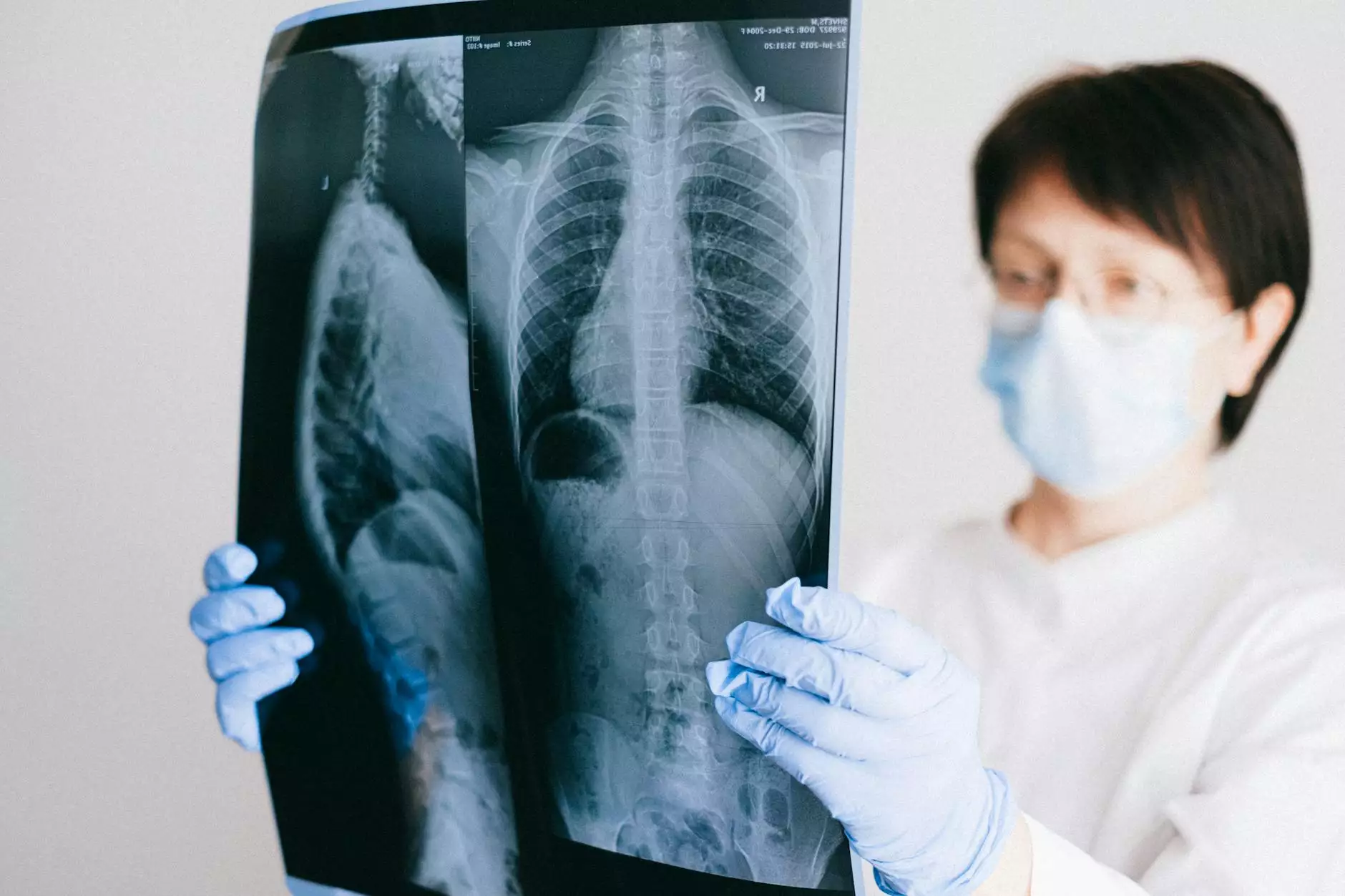
Lung doctors, also known as pulmonologists, play a crucial role in the world of health and medical care by specializing in the diagnosis and treatment of respiratory system disorders. Their expertise is essential in treating conditions that affect breathing and overall lung health. In this extensive article, we delve deep into the various aspects of a lung doctor’s responsibilities, the intersection of lung health with physical therapy and sports medicine, and how these practices foster improved wellness outcomes.
The Importance of Lung Doctors
Lung doctors are vital for both preventative care and the treatment of existing conditions. Their focus extends to a range of diseases, including:
- Asthma
- Chronic Obstructive Pulmonary Disease (COPD)
- Pneumonia
- Lung Cancer
- Interstitial Lung Disease
- Sleep Apnea
- Respiratory Infections
Each of these conditions requires specialized knowledge and skills that lung doctors are trained to provide. They conduct extensive assessments, including pulmonary function tests, imaging studies, and thorough evaluations to determine the best course of action for their patients.
How Lung Doctors Diagnose Respiratory Conditions
Diagnosing respiratory issues involves a multi-faceted approach. Upon your visit to a lung doctor, you can expect the following:
1. Comprehensive Medical History
Your lung doctor will begin with an in-depth discussion regarding your medical history, including:
- Your symptoms, including their duration and severity
- Previous lung or respiratory issues
- Family history of lung diseases
- Exposure to occupational or environmental hazards
2. Physical Examination
Following the medical history, a thorough physical exam will be conducted, involving:
- Listening to your lungs with a stethoscope
- Assessing your overall health and well-being
3. Diagnostic Tests
In many cases, your lung doctor will order tests such as:
- Pulmonary Function Tests (PFTs) to measure how well your lungs work
- Chest X-rays or CT scans to visualize lung structure
- Oximetry to measure blood oxygen levels
- Bronchoscopy for direct visualization of the airways
The Role of Physical Therapy in Lung Health
Physical therapy often complements the treatment prescribed by a lung doctor, especially for patients with chronic respiratory conditions. Physical therapists help patients improve lung function through tailored exercise programs aimed at:
- Increasing Lung Capacity: Exercises designed to strengthen the respiratory muscles
- Improving Breathing Techniques: Teaching patients effective breathing strategies such as diaphragmatic and pursed-lip breathing
- Enhancing Endurance: Gradual physical conditioning helps patients engage in daily activities with more ease
Integrating Sports Medicine with Lung Health
For athletes or those engaged in regular sports, a lung doctor's role becomes vital in ensuring optimal performance while managing any underlying respiratory conditions. Sports medicine professionals often work alongside lung doctors to:
- Assess Respiratory Endurance
- Develop Training Programs that consider lung health
- Prevent Injury related to respiratory strain during athletic activities
Importance of Breathing Techniques in Sports
Many athletes overlook the significance of proper breathing techniques. Effective breathing can:
- Enhance Performance by optimizing oxygen delivery to muscles
- Reduce Fatigue by establishing efficient breathing patterns
- Minimize the Risk of respiratory-related health issues during physical activity
Preventative Care Offered by Lung Doctors
Preventative care is a fundamental aspect of lung health. A lung doctor provides guidance on:
- Avoiding Environmental Triggers: Identifying allergens, pollution, and smoke
- Vaccinations to protect against respiratory infections
- Smoking Cessation Programs: Vital for those impacted by tobacco use
Community Health Initiatives
Lung doctors often engage with community health initiatives to raise awareness about respiratory health. They may offer:
- Public Workshops on asthma management
- Health Screenings for lung diseases
- Educational Resources to empower patients
Challenges Faced by Lung Doctors
Despite their vital role, lung doctors face numerous challenges, including:
1. Rising Incidence of Respiratory Diseases
The increasing prevalence of respiratory diseases demands enhanced diagnostic and treatment strategies.
2. Access to Care Issues
Patients in remote areas often struggle to access specialized lung care, highlighting the need for telemedicine solutions.
3. Treatment Adherence
Ensuring that patients follow prescribed treatment regimens can be challenging but is crucial for improving long-term outcomes.
Conclusion
Lung doctors play an indispensable role in maintaining respiratory health, bridging the gap between diagnosis, treatment, and ongoing management of various lung conditions. With a strong focus on preventative care, collaboration with physical therapy, and integration into sports medicine, they ensure that patients can live fuller, healthier lives. Relying on their expertise not only aids in managing existing health issues but also fosters a culture of proactivity towards lung health.
As awareness grows regarding the significance of respiratory health, the contributions of lung doctors will undoubtedly become more recognized and appreciated. Regular check-ups with a lung doctor can be a crucial step in maintaining your overall well-being.