
Unilateral Oophorectomy Surgery: A Complete Insight from Expert Obstetricians & Gynecologists
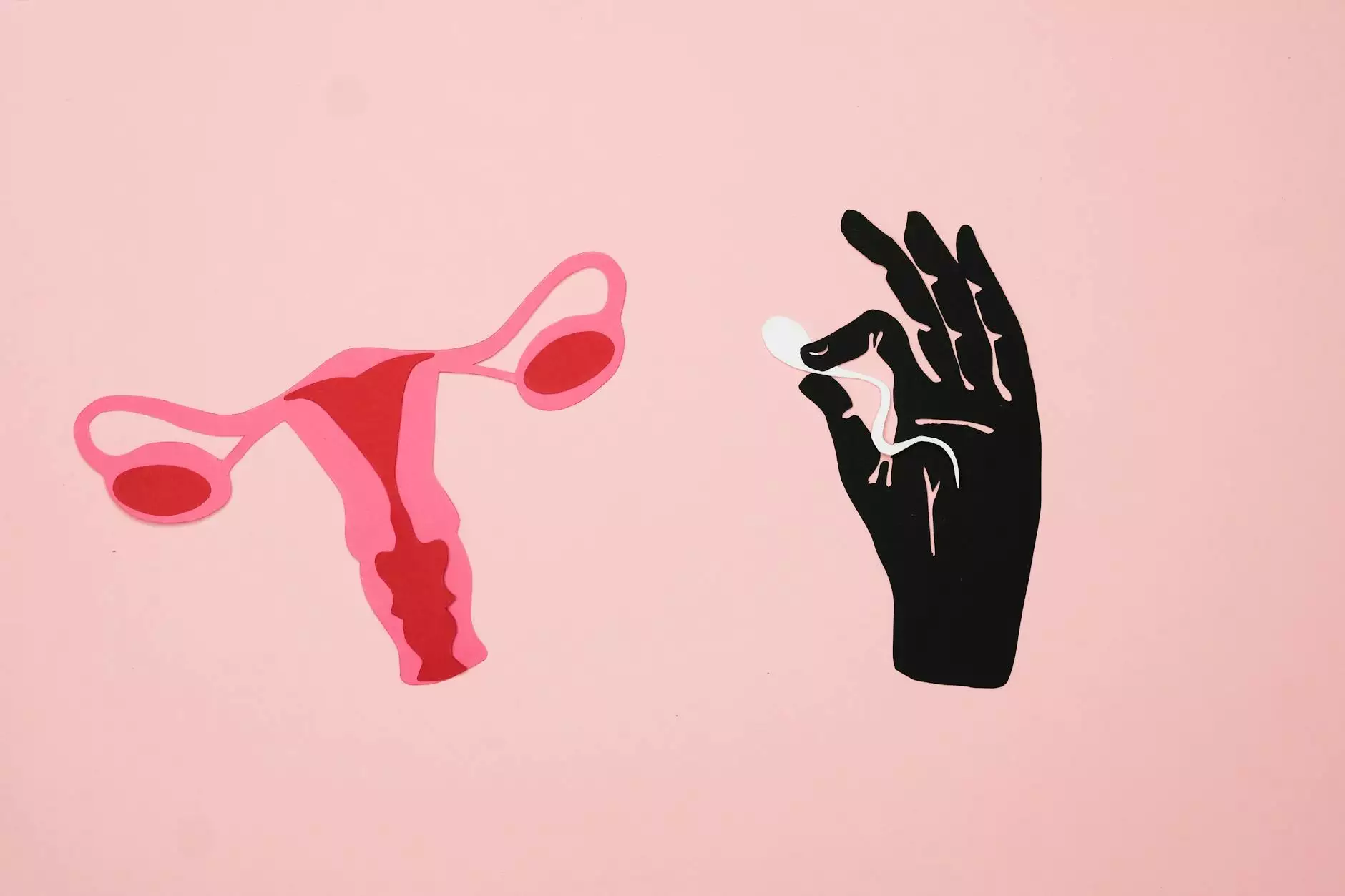
Unilateral oophorectomy surgery is a significant medical procedure that involves the removal of one ovary. This operation can be life-changing for women facing various gynecological conditions, from benign cysts to malignant tumors. As a leading provider in the field of Doctors, Health & Medical, Obstetricians & Gynecologists at drseckin.com, we aim to provide a comprehensive, detailed overview of this surgical procedure, its indications, the surgical process, recovery tips, and what patients can expect.
Understanding Unilateral Oophorectomy: Definition and Purpose
The unilateral oophorectomy is a surgical operation that involves the removal of one ovary. Unlike bilateral oophorectomy, which removes both ovaries, this procedure preserves hormonal balance and reproductive potential to a significant extent, depending on the patient's circumstances.
The procedure is performed for various reasons, including:
- Ovarian cysts: Large or persistent cysts causing pain or risk of complications
- Ovarian tumors: Benign or malignant growths requiring removal
- Endometriosis: Severe endometrial tissue invasion affecting ovarian functions
- Torsion: Ovarian twisting that compromises blood supply
- Preventive measures: In cases with high genetic risk for ovarian cancer
- Infections or trauma: Severe infections or injury necessitating removal
The Indications for Unilateral Oophorectomy Surgery
Determining whether unilateral oophorectomy is appropriate involves careful diagnostics and assessments by specialized Obstetricians & Gynecologists. Typical indications encompass:
Benign Ovarian Cysts and Tumors
Most ovarian cysts are benign, but when they grow large or cause symptoms like pain, surgery may be necessary. For tumors confirmed as benign, removing the affected ovary is often the best course of action.
Malignant Ovarian Cancers
Early diagnosis and removal of cancerous tissues are vital. If detected at an initial stage confined to one ovary, removing the affected ovary while preserving the other can provide a better prognosis and quality of life.
Endometriosis and Chronic Pelvic Pain
Severe endometrial implants on the ovary that induce persistent pain or threaten ovarian function may require removal of the affected ovary, especially when other treatments fail.
Ovarian Torsion and Emergency Conditions
In cases of ovarian torsion, where the ovary twists and cuts off its blood supply, emergency removal might be necessary to prevent tissue necrosis.
High-Risk Surgical Prevention
Women with BRCA1 or BRCA2 gene mutations often opt for unilateral oophorectomy as a preventive strategy against ovarian cancer, especially if they have completed their families.
The Surgical Procedure: What to Expect
The unilateral oophorectomy can be performed via different surgical approaches, each tailored to the patient’s condition and the surgeon’s expertise. Common methods include:
- Laparoscopic Surgery: A minimally invasive approach using small incisions and a camera, usually associated with quicker recovery and less postoperative pain.
- Open Surgery (Laparotomy): A traditional approach involving a larger abdominal incision, often chosen for large tumors or complex cases.
Preoperative Preparation
Patients undergo thorough evaluations, including imaging (ultrasound, MRI), blood tests, and assessments of overall health. Fasting guidelines are provided, and anesthesia consultations are arranged.
Intraoperative Details
The procedure involves anesthesia, typically general anesthesia, ensuring the patient is unconscious and pain-free. The surgeon carefully isolates the ovary, minimizes blood loss, and excises the tissue precisely. For malignant cases, additional staging procedures may be performed.
Postoperative Care and Monitoring
Following surgery, patients are monitored for signs of complications such as bleeding, infection, or adverse reactions to anesthesia. Pain management and early mobilization are critical components of recovery.
Recovery Process After Unilateral Oophorectomy
Recovery timelines can vary based on the surgical method and individual health. Generally:
- Laparoscopic Recovery: Patients often return to normal activities within 1-2 weeks.
- Open Surgery Recovery: A longer recovery period of 4-6 weeks is expected.
Important postoperative considerations include:
- Maintaining wound cleanliness to prevent infection
- Gradually resuming physical activity as per surgeon’s advice
- Managing pain with prescribed medications
- Scheduling follow-up appointments for ongoing assessment
Most patients experience a significant reduction in symptoms and return to daily routines within the expected recovery timeframes.
Long-term Outlook and Potential Impacts
While unilateral oophorectomy generally preserves hormonal balance and fertility potential, some considerations include:
- Hormonal Changes: The remaining ovary often compensates, but some women may experience menopausal symptoms earlier if the other ovary is compromised.
- Fertility: Fertility is usually preserved. However, for women planning pregnancy, consulting with a fertility specialist is recommended.
- Risk of Future Disease: Removal of one ovary significantly reduces the risk of ovarian cancer, but ongoing monitoring remains essential, especially for high-risk individuals.
Choosing the Right Surgical Team: Why Expert Obstetricians & Gynecologists Make a Difference
Selecting experienced Obstetricians & Gynecologists is crucial for optimal outcomes. Top surgical teams utilize the latest minimally invasive techniques, advanced diagnostic tools, and personalized care strategies. They prioritize:
- Comprehensive preoperative assessment
- Clear communication about procedures and recovery expectations
- Providing emotional support and counseling
- Implementing the highest standards of surgical safety and postoperative care
At drseckin.com, our team of leading specialists in women's health ensures each patient receives individualized treatment aligned with her health goals and lifestyle.
Advanced Technologies and Trends in Gynecological Surgery
The field of gynecological surgery is continuously evolving, with innovations improving safety, efficacy, and recovery times. Current advancements include:
- Laparoscopic and Robotic-Assisted Surgery: Offering greater precision and less invasiveness
- Fertility Preservation Techniques: Ensuring reproductive options are maintained post-surgery
- Enhanced Imaging and Diagnostics: Enabling early detection and better surgical planning
- Individualized Treatment Plans: Tailoring interventions based on genetic, hormonal, and lifestyle factors
Empowering Women Through Education and Awareness
Knowledge about unilateral oophorectomy surgery helps women make informed decisions about their health. Key points include:
- Understanding symptoms that warrant medical attention
- The importance of regular gynecological check-ups
- The role of genetic testing in preventive strategies
- Discussing surgical options and risks thoroughly with healthcare providers
- Postoperative expectations and long-term health considerations
Conclusion
The unilateral oophorectomy surgery stands as a vital intervention in modern gynecology, offering relief from debilitating conditions and contributing to proactive cancer prevention. With advancements in surgical techniques, expert medical teams, and personalized care, women facing this procedure can expect excellence in outcomes and quality of life.
For comprehensive guidance, trusted expertise, and compassionate care, consult the specialist team at drseckin.com, where your health and well-being are our top priorities.



