Ultimate Guide to Taking Care of Dental Implants for Long-Term Success
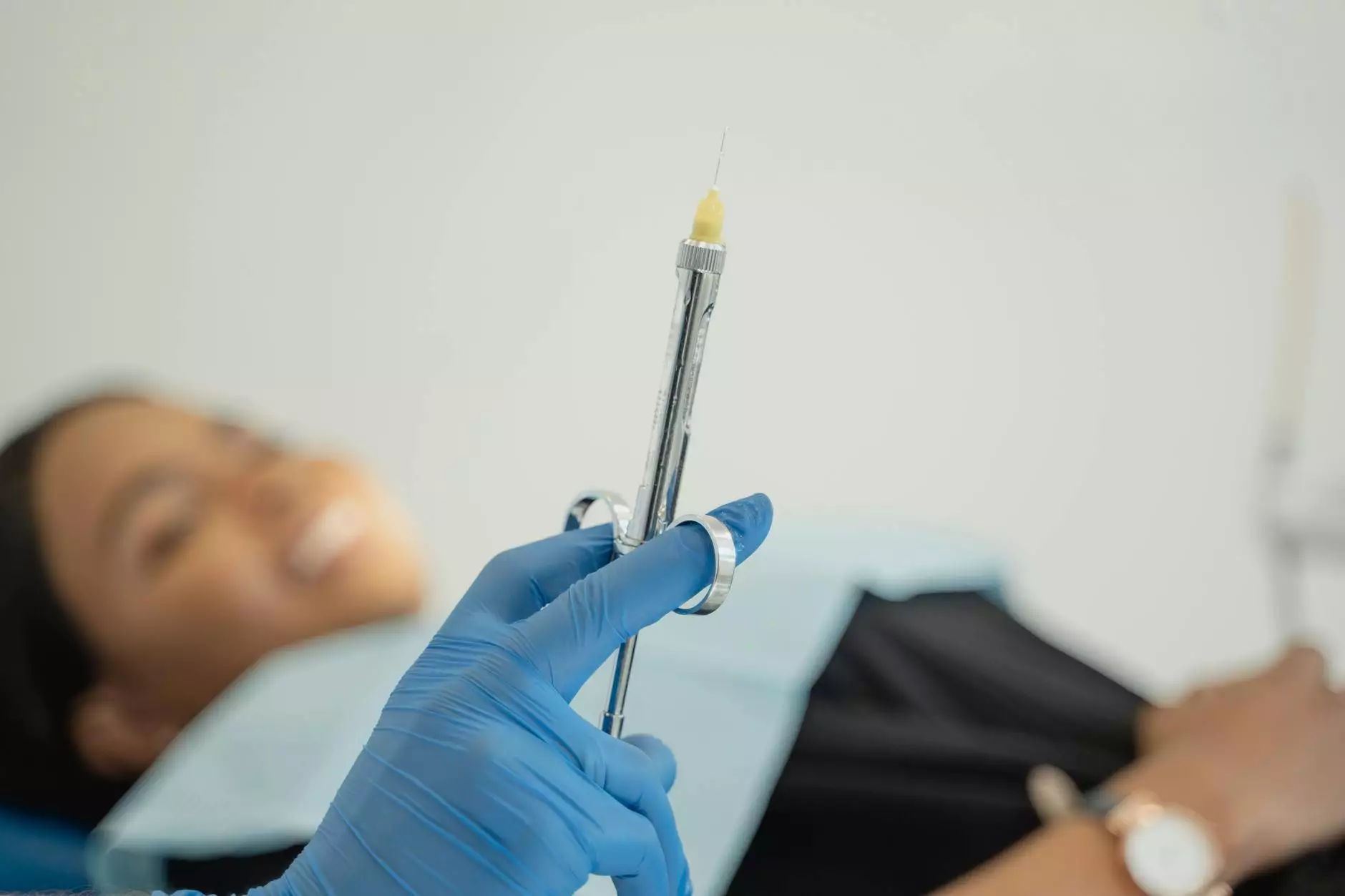
Dental implants have revolutionized restorative dentistry, offering a durable and natural-looking solution for missing teeth. However, simply having implants isn’t enough. Proper maintenance and care are essential to ensure their longevity and to prevent complications such as infections, implant failure, or bone loss. This comprehensive guide provides detailed insights into taking care of dental implants, equipping you with the knowledge needed to maintain a healthy, functional, and beautiful smile for years to come.
Understanding Dental Implants: What Are They and Why Care for Them?
Dental implants are titanium posts surgically inserted into the jawbone, acting as artificial tooth roots that support crowns, bridges, or dentures. While implants are highly durable and integrate seamlessly with the bone through a process called osseointegration, they require dedicated care similar to, and often exceeding, natural teeth.
Taking care of dental implants is vital because neglect can lead to peri-implantitis, bone loss, and ultimately, implant failure. Unlike natural teeth, implants lack a periodontal ligament, meaning they don’t have the same natural defenses against plaque buildup. Therefore, meticulous hygiene and regular professional monitoring are crucial for ensuring their long-term success.
Effective Daily Practices for Maintaining Dental Implants
1. Meticulous Oral Hygiene: The Foundation of Successful Implant Care
- Brushing: Use a soft-bristled toothbrush or an electric toothbrush designed for sensitive areas. Employ gentle, circular motions to remove plaque from the implant-supported restorations and surrounding gum tissue.
- Flossing: Floss daily using implant-specific floss or interdental brushes to clean between the implant and adjacent teeth. Proper flossing prevents plaque accumulation in hard-to-reach areas.
- Antimicrobial Mouthwash: Incorporate an antiseptic mouthwash to reduce bacterial load and minimize the risk of peri-implant inflammation.
2. Special Cleaning Devices to Enhance Maintenance
In addition to regular brushing and flossing, many patients benefit from specialized tools such as:
- Interdental brushes designed for cleaning around implants
- Water flossers that flush away debris effectively
- Dental picks and proxies for targeted cleaning in difficult areas
3. Dietary Considerations for Implant Health
Maintain a diet rich in vitamins and minerals that support oral and bone health, such as calcium, vitamin D, and phosphorus. Limit sugary foods and drinks that promote plaque formation. Avoid hard, sticky, or chewy foods that could exert excessive force on the implants and attached restorations.
Key Tips for Protecting Your Dental Implants
1. Avoid Tobacco and Excessive Alcohol
Tobacco use impairs healing and increases the risk of peri-implantitis. Alcohol can also impair immune function and interfere with oral tissue health, undermining implant stability.
2. Prevent Teeth Grinding and Clenching
If you suffer from bruxism, consider wearing a custom night guard prescribed by your dentist. Excessive force can fracture restorations or damage the surrounding bone, jeopardizing your implant.
3. Stay Regularly Scheduled Dental Check-Ups
Routine professional assessments allow your dentist to monitor the health of your implants, identify early signs of problems, and perform professional cleaning to remove hardened plaque and calculus.
Recognizing and Addressing Common Challenges in Implant Care
Peri-Implantitis: The Silent Threat
This is an inflammatory process affecting tissues around dental implants, similar to periodontitis around natural teeth. Symptoms include redness, swelling, bleeding, discomfort, and sometimes pus. Immediate professional intervention is critical to halt progression and save your implant.
Bone Loss Around Implants
Bone resorption can occur due to infection, overloading, or inadequate hygiene. Maintaining proper oral habits and seeking prompt professional care can minimize risk.
Implant Failure and Its Prevention
Factors like poor bone quality, smoking, uncontrolled diabetes, or inadequate maintenance can lead to implant failure. Consistency in oral hygiene and regular dental visits are preventive measures.
The Role of Professional Care in Taking Care of Dental Implants
1. Professional Cleanings and Assessments
Your dentist at 92Dental will perform thorough cleanings specifically tailored for implant-supported restorations. These sometimes involve ultrasonic scalers with care for the implant surface to prevent damage.
2. Radiographic Monitoring
Periodic X-rays enable your dentist to evaluate the health of the bone around the implant and detect early signs of bone loss or other complications.
3. Addressing Complications Promptly
If issues such as inflammation, loosening, or discomfort arise, early intervention may include cleaning, medication, or surgical procedures to preserve the implant and surrounding tissues.
Long-Term Strategies for Durable and Healthy Dental Implants
1. Educate Yourself About Proper Care
Understanding your role in maintaining implant health ensures better compliance with recommended practices. Ask your dental provider for personalized advice and demonstration of cleaning techniques.
2. Incorporate a Holistic Approach
Good oral health is interconnected with overall health. Manage systemic conditions like diabetes, stay hydrated, and avoid habits detrimental to oral tissues.
3. Invest in Quality Restorations
High-quality crowns and prostheses designed to fit precisely reduce risks of plaque retention and mechanical failure, enhancing ease of taking care of dental implants.
Why Choosing Experts Like 92Dental Matters for Implant Maintenance
At 92Dental, we specialize in comprehensive implant therapy, emphasizing not only surgical placement but also post-operative and ongoing maintenance. Our team provides personalized care tailored to your unique needs, utilizing cutting-edge technology and proven methods to maximize the lifespan of your implants.
Partnering with experienced professionals ensures that you receive:
- Expertise in diagnosing early signs of implant complications
- Customized cleaning and maintenance plans
- Access to advanced tools and materials for optimal care
- Continuous support and patient education for proper home care
Conclusion: Ensuring a Bright and Healthy Future with Your Dental Implants
Taking care of dental implants is an ongoing commitment that demands diligent daily hygiene, lifestyle adjustments, and regular professional care. By adhering to these best practices, you significantly reduce the risk of complications and extend the life of your implants, allowing you to enjoy the benefits of a confident smile and improved oral health for decades.
Remember, your implants are an investment in your wellbeing and appearance. Proper maintenance ensures that this investment yields lasting results. For personalized guidance and professional support, trust the expert team at 92Dental to help you maintain your beautiful, healthy smile for years to come.