Unlocking the Power of Dental Onlays: A Modern Solution for Restoring Optimal Oral Health
In today's advanced dental care landscape, patients seek solutions that offer both durability and aesthetic appeal. One of the most innovative and effective restorative treatments available is the dental onlay. Whether you're dealing with extensive decay, cracked teeth, or structural damage, dental onlays provide a conservative approach that preserves natural tooth structure while delivering long-lasting results.
What Are Dental Onlays? An Essential Restorative Technique
Typically crafted from high-quality porcelain, composite resin, or gold, dental onlays are custom-made restorations designed to cover one or more cusps of a tooth. They are often referred to as "partial crowns" because they restore the tooth’s function and strength with minimal removal of healthy tissue.
Unlike traditional dental fillings that fill only small cavities, dental onlays cover a larger area, making them especially suitable for teeth with extensive decay or damage that exceeds the scope of standard fillings. Their precise fit and durable materials ensure they restore not just the appearance but also the functionality of your teeth.
The Advantages of Choosing Dental Onlays Over Other Restorative Options
- Exceptional Durability: Made from robust materials like porcelain and gold, dental onlays are resistant to wear and fracture, often lasting 10-15 years or more with proper care.
- Conservation of Tooth Structure: Require less removal of healthy tissue compared to full crowns, preserving natural tooth integrity.
- Enhanced Aesthetic Appeal: High-quality ceramic or porcelain onlays blend seamlessly with natural teeth, providing a discreet restoration that boosts confidence.
- Biocompatibility and Safety: Modern materials are biocompatible, reducing the risk of allergic reactions and gum irritation.
- Restoration of Full Functionality: Restore biting force and chewing efficiency, crucial for maintaining proper digestion and overall oral health.
The Process of Getting Dental Onlays: A Step-by-Step Overview
1. Comprehensive Dental Examination and Diagnosis
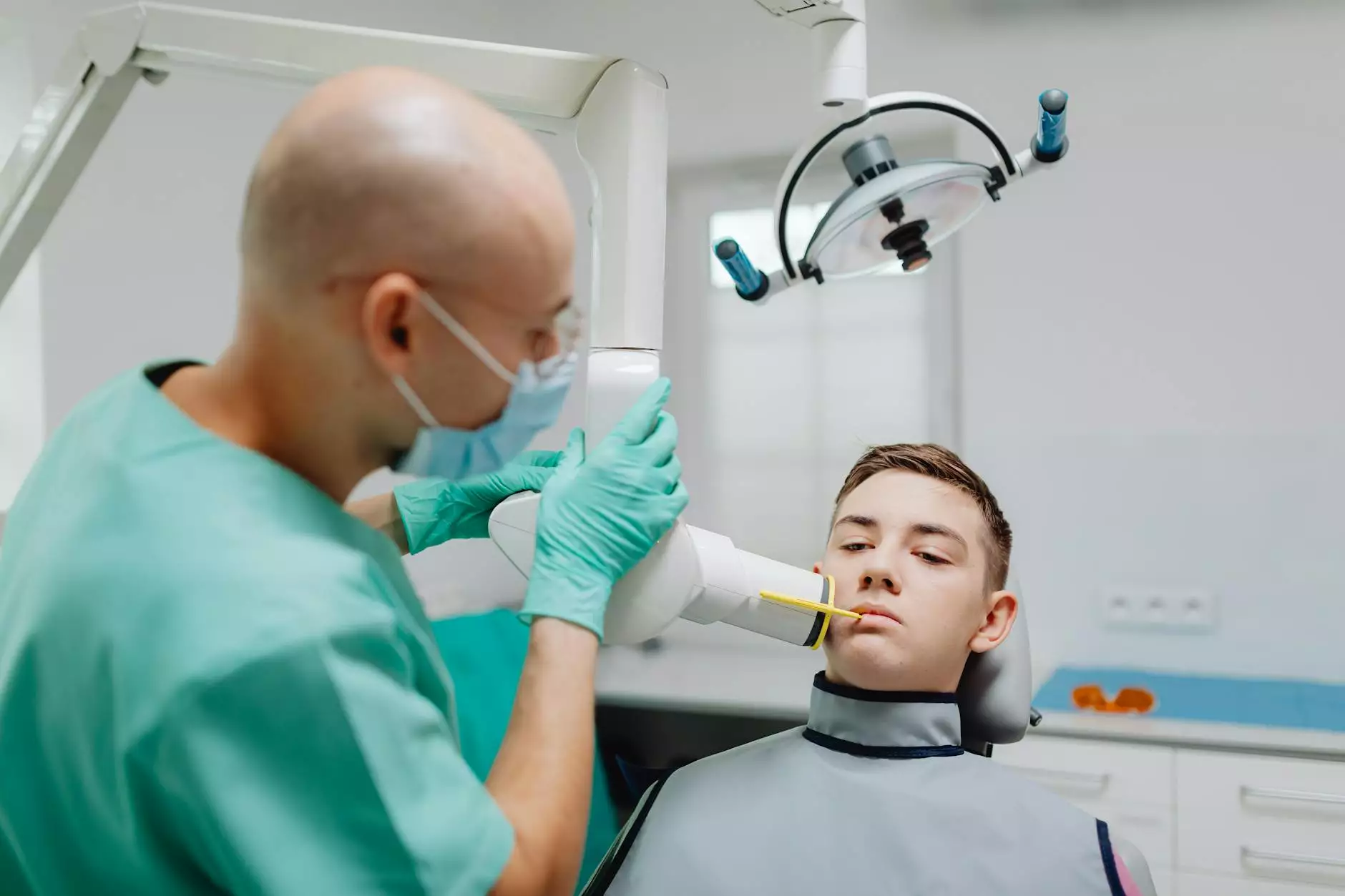
The journey begins with a detailed clinical assessment by your dentist. X-rays and intraoral scans help determine if dental onlays are appropriate, especially when extensive decay or structural damage is present that cannot be adequately addressed by fillings alone.
2. Tooth Preparation and Precise Impressions
To prepare the tooth, your dentist carefully removes decayed or damaged tissue, ensuring only healthy material remains. Next, precise impressions of your tooth are taken to craft a custom-fit dental onlay.
3. Temporary Restoration Placement
While the permanent dental onlay is fabricated in a dental laboratory, a temporary filling protects your tooth from sensitivity or further damage.
4. Fabrication of the Dental Onlay
The impression is sent to a specialized dental lab where highly skilled technicians create the custom restoration. Advanced digital scanning and CAD/CAM technology can often allow for same-day restorations, ensuring quicker results.
5. Bonding and Final Fitting
During the final appointment, the temporary is removed, and your dentist meticulously bonds the dental onlay into place. Precise adjustments ensure optimal bite and comfort, and the restoration is polished for a natural look.
Material Choices for Dental Onlays: Which Is Right for You?
One of the most significant decisions when opting for dental onlays involves the choice of material. Each material offers unique benefits tailored to different needs:
- Porcelain/Ceramic: Known for their superior aesthetic qualities, porcelain onlays mimic natural tooth enamel perfectly. They resist staining and are ideal for restoring front and premolar teeth.
- Composite Resin: A more affordable option that can be crafted in-office, composite onlays provide good esthetic results but may require replacement sooner than ceramics.
- Gold: Renowned for exceptional durability and biocompatibility, gold onlays withstand significant chewing forces, making them suitable for molars. However, their metallic appearance may be less preferred cosmetically.
Why Dental Onlays Are Considered a Conserving Option
One of the key advantages of dental onlays over crowns or extensive restorations is their ability to preserve more of your natural tooth structure. This conservative approach means less removal of healthy tissue, which is crucial for maintaining the strength and vitality of the tooth.
Preserving natural structure not only prolongs the life of the tooth but also reduces the risk of future complications, such as nerve damage or tooth sensitivity. This aspect makes dental onlays a preferred choice in modern restorative dentistry.
The Long-Term Benefits of Dental Onlays
Investing in dental onlays offers numerous long-term benefits, including:
- Longevity: When properly cared for, onlays can last for decades, offering excellent value.
- Enhanced Oral Function: Restored teeth regain their full chewing power, supporting digestion and overall health.
- Improved Aesthetics: Especially with ceramic options, onlays seamlessly blend with your natural teeth, restoring confidence in your smile.
- Protection Against Future Damage: Reinforcing compromised teeth helps prevent further decay or cracks, reducing the need for more extensive treatments later on.
- Maintained Tooth Sensation and Health: Unlike full crowns that require extensive reshaping, onlays preserve nerve health and tooth vitality.
Integrating Dental Onlays with Overall Dental and Oral Hygiene Care
Complementary Preventive Measures
While dental onlays are highly durable, maintaining excellent oral hygiene is essential to extend their lifespan and protect surrounding tissues. Regular brushing, flossing, and professional cleanings at Kensington Dental Studio are key components.
Diet and Lifestyle Factors
Avoiding excessive sugary or acidic foods and beverages, quitting smoking, and managing grinding habits (bruxism) contribute significantly to the longevity of your restorations.
The Role of Dental Hygienists in Supporting Dental Onlays
Good oral hygiene habits are fundamental for preserving the integrity of dental onlays. Dental hygienists play a crucial role in maintaining overall oral health through professional cleanings, patient education, and early detection of potential issues around the restoration.
During routine hygiene visits, hygienists can advise on effective brushing techniques and flossing, highlight signs of wear or damage, and ensure your mouth remains healthy — all critical for extending the life of your dental onlays.
Why Choose Kensington Dental Studio for Your Dental Onlays?
Kensington Dental Studio combines cutting-edge technology, experienced dental professionals, and a patient-centered approach to deliver exceptional restorative services. When you choose us for dental onlays, you benefit from:
- Advanced Digital Imaging and CAD/CAM Technology: For precise diagnosis and same-day restorations.
- Highly Skilled Dental Technicians: Ensuring perfect fit and natural appearance.
- Comprehensive Patient Care: Tailored treatment plans that consider your unique needs and aesthetic goals.
- Comfort and Convenience: Modern facilities and empathetic staff dedicated to making your experience positive.
Conclusion: The Future of Dental Restorations Is Here with Dental Onlays
In the ever-evolving world of dentistry, dental onlays stand out as a shining example of innovation, efficiency, and aesthetics. They offer a minimally invasive alternative to crowns, with the potential to last decades while preserving your natural teeth. For anyone seeking a durable, beautiful, and conservative solution for damaged or decayed teeth, dental onlays are the ideal choice.
At Kensington Dental Studio, we are committed to providing top-tier restorative dental care. Our team of experts is prepared to guide you through every step of your journey toward restoring your smile’s function and beauty with dental onlays.
Contact us today to learn more about how dental onlays can transform your oral health and confidence for years to come.